

Increasing cleanliness requirements, tighter tolerances and more complex component geometries are changing the way manufacturers approach industrial parts cleaning. Across automotive, aerospace, precision engineering and medical manufacturing industries in India, components today contain internal channels, blind holes, fine structures and sensitive surfaces that are becoming increasingly difficult to clean using conventional processes.
To address these evolving requirements, manufacturers are moving toward process-controlled cleaning technologies capable of delivering repeatable and validated cleanliness results under stable production conditions.
One such advanced approach is Pulsated Pressure Cleaning (PPC), a cleaning process designed to improve cleaning effectiveness in hard-to-reach areas and complex component geometries. Combined with modern chamber cleaning systems, PPC technology helps manufacturers achieve high cleanliness standards while maintaining process flexibility and production efficiency.
Let’s Recap: What Is Pulsated Pressure Cleaning (PPC) Lite?
Pulsated Pressure Cleaning (PPC) Lite is an advanced cleaning technique that operates using cyclic pressure changes inside the cleaning chamber. During the cleaning cycle, the pressure of the cleaning media is repeatedly reduced and increased in a controlled manner. This creates vapor bubbles that collapse rapidly and generate highly effective cleaning action through cavitation, displacement and fluid agitation.
The result is uniform cleaning performance, even in areas that are traditionally difficult to access through conventional spray cleaning methods.
In modern manufacturing environments, this becomes particularly important for components with:
- Blind holes
- Internal channels
- Narrow geometries
- Cross-drilled passages
- Sensitive machined surfaces
These areas often trap contamination particles, machining oils, coolants and residues that can directly affect downstream assembly and functional reliability.
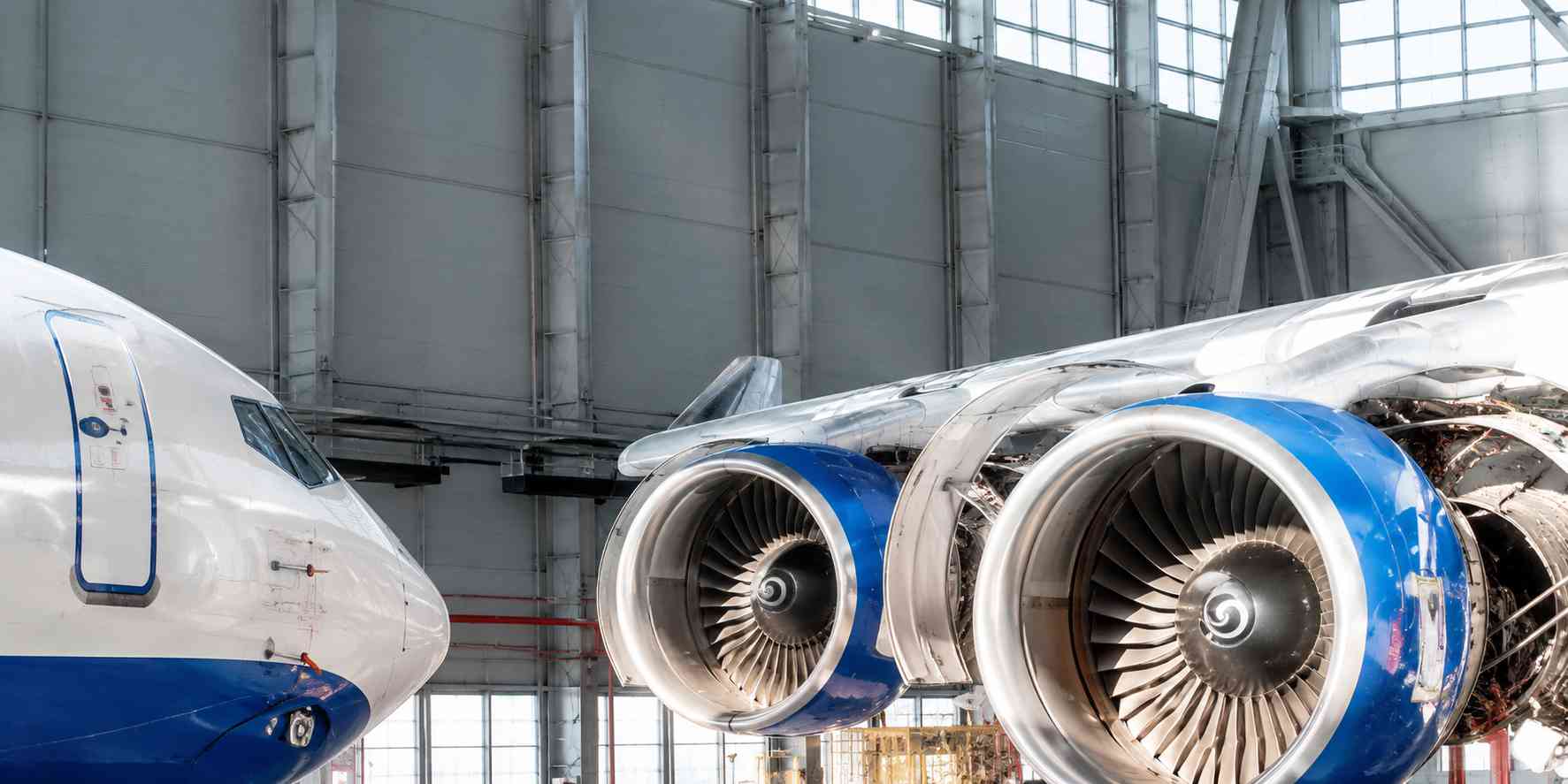
Complex Machined Automotive or Aerospace Component Image
Isn’t It Similar to Vacuum Cleaning?
Vacuum-assisted cleaning itself is already a well-established process in industrial parts cleaning. However, increasing cleanliness demands across industries have pushed manufacturers toward more stable and application-focused cleaning processes.
What makes Pulsated Pressure Cleaning different is the way pressure variation is controlled and integrated into the cleaning cycle. The process can be applied in chamber systems and multistage cleaning systems using aqueous media or solvent-based cleaning media depending on the application requirement.
The technology is designed to support a wide range of component geometries and material sensitivities while maintaining consistent cleaning performance.
To adapt the process for different applications, PPC can operate through multiple cleaning modes such as:
- Basic mode
- Soft mode
- Booster mode
- Spin mode
Each mode is designed for different cleaning challenges depending on component geometry, contamination type and process sensitivity.
This flexibility allows manufacturers to optimize cleaning performance for precision components without compromising surface quality or process stability.
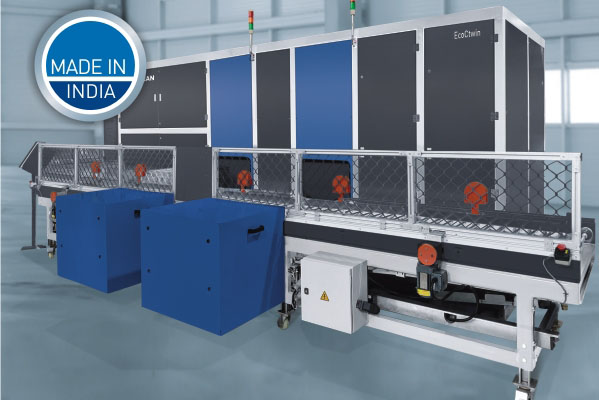
EcoCtwin Industrial Parts Cleaning Machine
Why Advanced Manufacturing Needs Flexible Cleaning Technologies
Modern production environments no longer operate with standardized components alone. Manufacturers today often handle:
- Mixed material production
- Sensitive machined parts
- Complex geometries
- High cleanliness specifications
- Varying production volumes
As a result, industrial cleaning systems must become more adaptable, scalable and process-oriented.
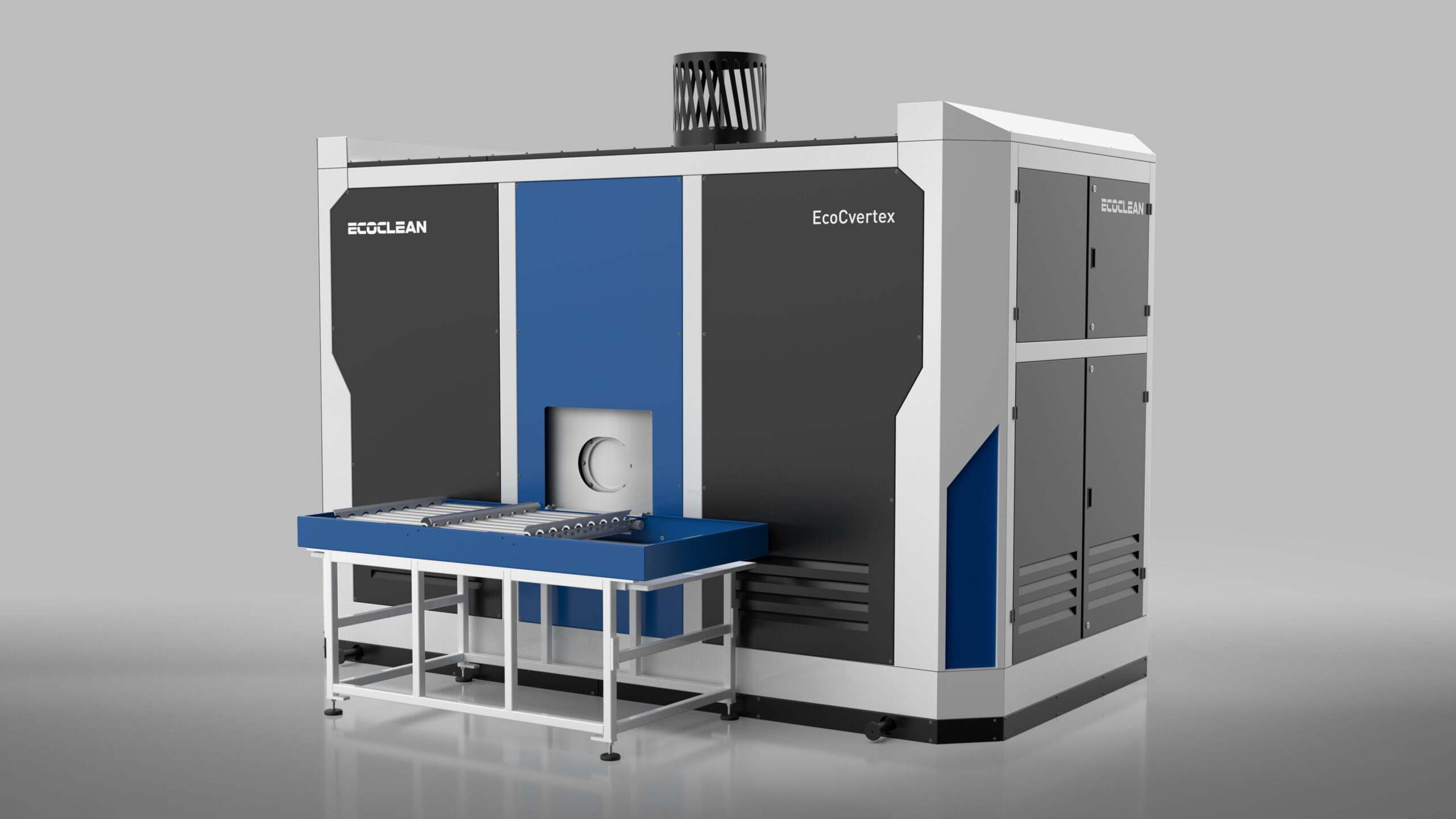
At Ecoclean India, systems such as the EcoCvertex and UCMCombiLine are designed to support these changing manufacturing requirements through configurable cleaning and drying processes.
The modular approach allows manufacturers to integrate different cleaning technologies depending on contamination level, cleanliness requirement, and production application.
PPC Lite in Practice: Process Flexibility for Modern Manufacturing
In practical applications, cleaning performance is influenced not only by chemistry but also by how effectively the process reaches contamination trapped inside complex structures.
Modern chamber cleaning systems integrate multiple process options including:
- Pulsated Pressure Cleaning (PPC) Lite
- Ultrasonic cleaning
- Spray cleaning
- High-pressure cleaning
- Flood cleaning
- Optimized rinsing systems
These technologies work together to improve contamination removal while protecting sensitive component surfaces.
In industries such as automotive and aerospace manufacturing, where cleanliness directly influences reliability and product performance, process consistency becomes essential.
Drying Is Equally Important
In many manufacturing applications, cleaning alone is not enough. Improper drying can reintroduce contamination or leave moisture inside internal geometries and cavities.
Modern industrial cleaning systems therefore integrate controlled drying technologies such as:
- Hot air drying
- Vacuum drying
- HEPA-filtered air systems
- Sensor-controlled moisture monitoring
This helps manufacturers achieve faster and more stable drying performance while minimizing the risk of recontamination.
For components used in precision manufacturing environments, stable drying performance is often as important as the cleaning process itself.
Process Stability Is Becoming the Real Requirement
Across industries, cleanliness expectations continue to evolve. Manufacturers are no longer looking only for cleaning machines they are looking for stable, repeatable and scalable cleaning processes that integrate smoothly into production environments.
This shift is driving the adoption of advanced cleaning technologies capable of handling:
- Increasing cleanliness standards
- Complex component geometries
- Process validation requirements
- Production scalability
- Sustainable manufacturing expectations
At Ecoclean India, Industrial Cleaning Solutions are developed to support these evolving manufacturing requirements while maintaining process efficiency, operational flexibility and long-term production reliability.
Conclusion
As manufacturing technologies continue to evolve, industrial cleaning requirements are becoming more demanding than ever before. Components are becoming smaller, geometries more complex and cleanliness specifications increasingly strict.
Technologies such as Pulsated Pressure Cleaning represent how industrial parts cleaning is evolving from conventional washing toward highly controlled and application-specific process engineering.
For manufacturers operating in automotive, aerospace, precision engineering and other high-cleanliness industries in India, advanced cleaning technologies are becoming an essential part of achieving stable production quality and long-term process reliability.